
What are caffeine pouches?
Caffeine without a cup or can: caffeine pouches are small portion bags used in the mouth. Get to know the format and the different names you may see, including energy pouches.
Caffeine pouches are usually offered without tobacco or nicotine. A permeable outer bag holds a caffeine-containing filling. Recipes, flavours, formats and caffeine amounts vary between products.
Contents
What is inside a pouch?How are they generally used?How do they differ from snus and nicotine pouches?What do we know about absorption?Which details should adults check?Labelling and the market: what matters?Caffeine pouches, energy pouches or caffeine snus?Common questionsSources & context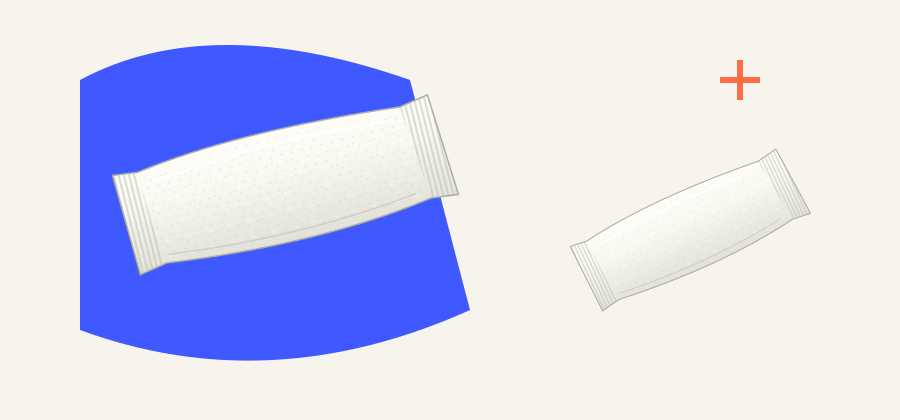
What is inside a pouch?
A pouch has a permeable outer bag and a filling. Depending on the product, the filling may contain plant fibres or cellulose, caffeine, flavourings, sweeteners and ingredients that control moisture. Saliva wets the pouch and dissolves some of its contents. The bag normally remains intact and is discarded afterwards.
Not every nicotine-free pouch contains caffeine. Some contain neither stimulant; others contain different ingredients. Check the ingredient list, quantity declaration and directions together rather than relying on the word “energy” or the design of the tin.
How are they generally used?
Many products are designed to sit between the upper lip and gum. Follow the specific manufacturer's directions for placement, duration and maximum use. A fixed time such as “20 to 40 minutes” is not appropriate for every formulation.
Do not open or split a pouch to create an assumed smaller dose. Do not use damaged bags. Stop if irritation or discomfort occurs. Used pouches may retain caffeine and need secure disposal, away from children and animals.
How do they differ from snus and nicotine pouches?
Traditional snus contains tobacco and therefore nicotine. Nicotine pouches are tobacco-free but contain nicotine. Caffeine pouches are usually marketed without either tobacco or nicotine. Products containing combinations of active ingredients require a separate label check.
“Caffeine snus” is a colloquial search term rather than an accurate synonym for traditional snus. Nicotine-free also does not mean caffeine-free or automatically harmless.
What do we know about absorption?
The Berlin-Brandenburg State Laboratory describes ingredients dissolving in saliva, with at least some reaching the stomach when saliva is swallowed. It is therefore misleading to assume that all absorption happens exclusively through the mouth lining.
The amount released and absorbed depends on the formulation and use. Declared content is not a measured blood concentration. Evidence from coffee, chewing gum or oral sprays does not automatically describe every pouch.
Which details should adults check?
Look for caffeine per pouch, per gram or per recommended daily serving. Also check pouch weight, ingredient list, responsible business, warnings and directions. “Strong” and dot scales are not a consistent measure across brands.
Flavour intensity and tingling do not reliably measure caffeine delivery. Higher content is not a quality award. Missing or contradictory information is a reason to ask the supplier for clarification rather than guess.
Labelling and the market: what matters?
As with other foods, the actual formulation, label and destination-market rules matter for pouches. Complete ingredients, clear quantity declarations and an identifiable responsible supplier are useful information.
Authority examinations show why those details matter: the LLBB reported excessive sucralose and objectionable health claims in examined caffeine pouches, and the Bavarian LGL also described labelling deficiencies in examined products. Those findings concern the particular samples rather than the whole category. A shop listing alone does not replace assessment of the individual product.
Caffeine pouches, energy pouches or caffeine snus?
Caffeine pouches and energy pouches often refer to the same nicotine-free format. Energy is not a standard formulation, however: some ranges also include caffeine-free variants. Caffeine snus is an informal search term, while traditional snus contains tobacco.
Separate three questions: does it contain nicotine, does it contain caffeine, and what other ingredients are declared? This also identifies pouches without either substance without conflating different categories.
Common questions
Do caffeine pouches contain nicotine?
They are usually marketed without it. Check the complete label of the particular product.
Are pouches healthier than coffee?
The delivery format alone does not establish a health advantage.
What should I read next?
The ingredient, effects and safety guides explain how to distinguish label information from scientific evidence.
Sources & context
Editorial additions and new sources checked on 26 October 2026. Earlier product examples are dated in the text. Supplier statements are not independent product tests.