
Caffeine pouches FAQ: your main questions
The main answers to get you started: format, ingredients, caffeine amounts, use and comparisons. Follow the links for detailed guides with sources.
Caffeine bags come in different recipes and strengths. Current labels provide ingredients, caffeine amounts and directions. Our guides help you make sense of that information.
Contents
What are caffeine pouches?How much caffeine do they contain?How fast and how long do they work?Are they harmful or healthy?What is inside, and how do they compare with drinks?How should they be stored and discarded?Where can I find reliable information?Questions about brands, buying and offersTerms, age and caffeine-free variantsCommon questionsSources & context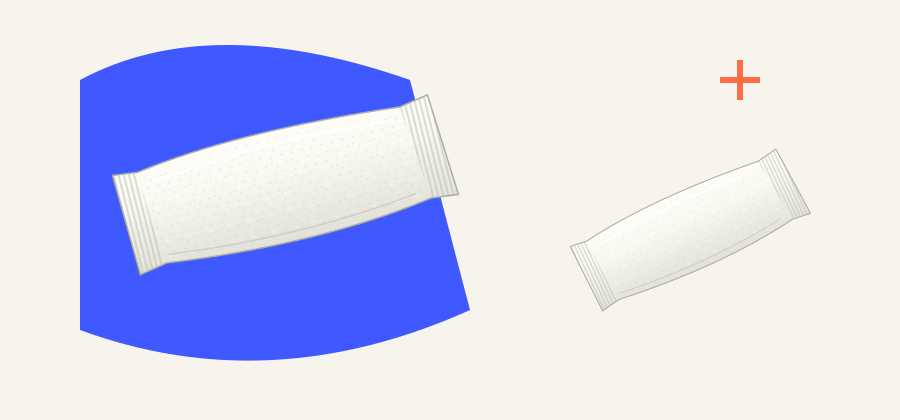
What are caffeine pouches?
They are small bags designed to release caffeine, usually placed between lip and gum. Energy pouches is another name. Actual recipes and instructions vary.
The shape alone does not reveal whether nicotine or caffeine is present. The basics guide explains construction and product categories.
How much caffeine do they contain?
There is no single amount for the category. Check whether the declaration is per bag, per gram or per recommended daily serving. “Strong” is not a dependable cross-brand comparison.
Contained caffeine is not a measured absorbed dose. The strengths guide explains conversions and the limits of general reference values.
How fast and how long do they work?
A universal minute estimate would be unreliable. Formulation, use and personal factors differ. Cooling and tingling are sensations rather than blood measurements.
Caffeine may remain after removal and affect sleep. The effects guide discusses absorption, clearance and the limits of available studies.
Are they harmful or healthy?
Neither blanket judgment is justified. Known caffeine effects, ingredients, individual sensitivity and unanswered local and long-term questions all matter.
General EFSA reference amounts do not clear every formulation. This magazine is for adults and does not recommend pouches for children, teenagers, pregnant or breastfeeding people, or caffeine-sensitive individuals.
What is inside, and how do they compare with drinks?
Possible ingredients include fibres, cellulose, flavours, sweeteners and formulation-specific additions. Vitamins or other compounds do not automatically demonstrate added benefit.
Coffee and energy drinks are beverages. A pouch does not replace fluids. Comparisons need actual servings, matching units and the specific ingredient lists.
How should they be stored and discarded?
Secure used bags in residual waste, away from children and pets. Do not flush or litter them. Plant fibres alone do not prove compostability.
Used bags can retain caffeine. Keep the original tin closed and follow storage directions. The use guide covers handling and disposal in more detail.
Where can I find reliable information?
Start with the current package and responsible manufacturer's information. Retailer descriptions can help, but contradictions need clarification rather than assumptions.
This magazine offers sourced explanations, not invented product tests or regulatory approvals. Retailer information and external shop links are identified as such.
Questions about brands, buying and offers
What is WAKEY? It is a brand with caffeinated varieties and caffeine-free Cool Spearmint ZERO. WAKEY and W1NNAS are different brands. The nine checked CAMO individual products declare 77 mg per pouch. The linked brand guides explain the evidence behind these statements.
Where can you buy caffeine pouches? Specialist retailers offer different brands and varieties. Check the individual declaration, pack count and ordering conditions.
What WAKEY is and which products are listed →
CAMO caffeine amounts and flavours →
Compare WAKEY and W1NNAS with AWAKEN →
Terms, age and caffeine-free variants
Questions about caffeine-free energy pouches, age limits and caffeine snus concern different subjects. These guides explain the distinctions and help you read the product declarations.
What does Zero or without active ingredients mean? →
16 or 18: what do the rules actually cover? →
Common questions
Is caffeine snus a precise name?
No. It is a colloquial term; traditional snus contains tobacco.
Can a table determine my suitable dose?
No. Product instructions, other sources and individual factors remain relevant.
What is WAKEY?
A brand of nicotine-free portion bags with several caffeine levels and a caffeine-free ZERO variety.
How do WAKEY and W1NNAS differ?
Their checked ranges differ in caffeine amounts, other ingredients and pouch counts, among other characteristics. They are separate brands.
How much caffeine do CAMO pouches contain?
The nine individual products checked here declare 77 mg per pouch. The overview names the products and check date.
Where can I buy caffeine pouches?
Specialised online retailers are one option. Compare ingredients, amounts, counts, provider information and ordering conditions.
Sources & context
Editorial additions and new sources checked on 26 October 2026. Earlier product examples are dated in the text. Supplier statements are not independent product tests.